Can Science Remain Open in an Authoritarian World?
Open science fuelled the discoveries shaping our world. But can it survive authoritarianism, geopolitics & proprietary AI? Join the dialogue.
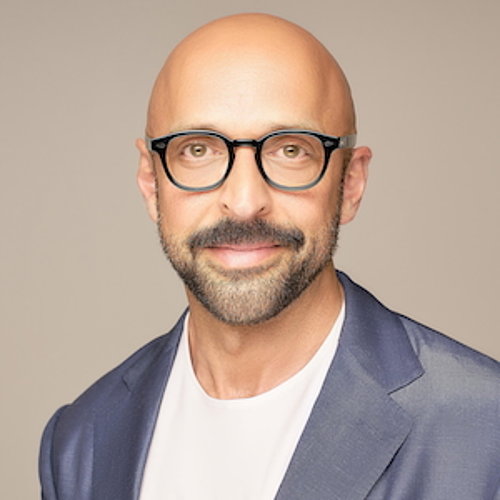
Kamran Naim
Kamran Naim, PhD, is the Head of Open Science at the European Organization for Nuclear Research (CERN). He has more than 20 years of international leadership experience as an Open Science strategist. At the world’s largest research laboratory, CERN, he leads a diverse portfolio of activities which include the development of OS policies and their implementation and serves in key governance roles for the world’s largest open access collaboration, the Sponsoring Consortium for Open Access Publishing in Particle Physics (SCOAP3) and for Open Research Europe (ORE). He is also a member of the Board of the European Open Science Could Association (EOSC-A) and serves as Chair of the Board of Directors of eLife.

Andrea Fleschenberg dos Ramos Pinéu
Andrea Fleschenberg dos Ramos Pinéu, Visiting Professor of Insular Southeast Asia, examines questions of institution-building and citizenship from a critical qualitative social research perspective. Since 2018, she is a lecturer at the Institute for Asian and African Studies at Humboldt University in Berlin and leads the Hidden Research project. She has also taught at the Quaid-i-Azam University, the National University of Science and Technology, and the Peschawar University in Pakistan as well as the Jaume I University in Spain. She is also a consultant for numerous foundations and NGOs in Afghanistan, Pakistan, Sri Lanka, Cambodia, Thailand and Indonesia.
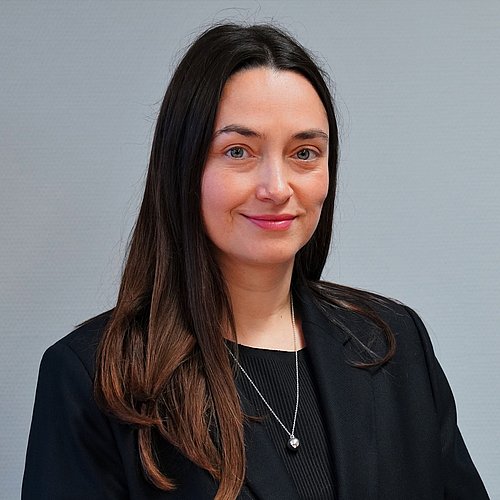
Sakine Weikert
Sakine Weikert is head of the Centre for International Academic Cooperation (KIWi) at the German Academic Exchange Service (DAAD). KIWi offers German universities individual advice on the strategic development and expansion of international cooperation under ever more complex framework conditions. Focus topics are science diplomacy, risk and security or legal frameworks, which are combined with DAAD’s worldwide regional expertise. Her regional expertise is on cooperation with China, where she has been director of DAAD’s Shanghai office 2018-2022.
Partners
Center for Open and Responsible Research and Center for Global Engagement at Berlin University Alliance, Robert K. Merton Center for Science Studies at Humboldt-Universität zu Berlin